

What do container companies do, how are they selected? Container types, points to check in the technical specification, and questions to ask when choosing a company.
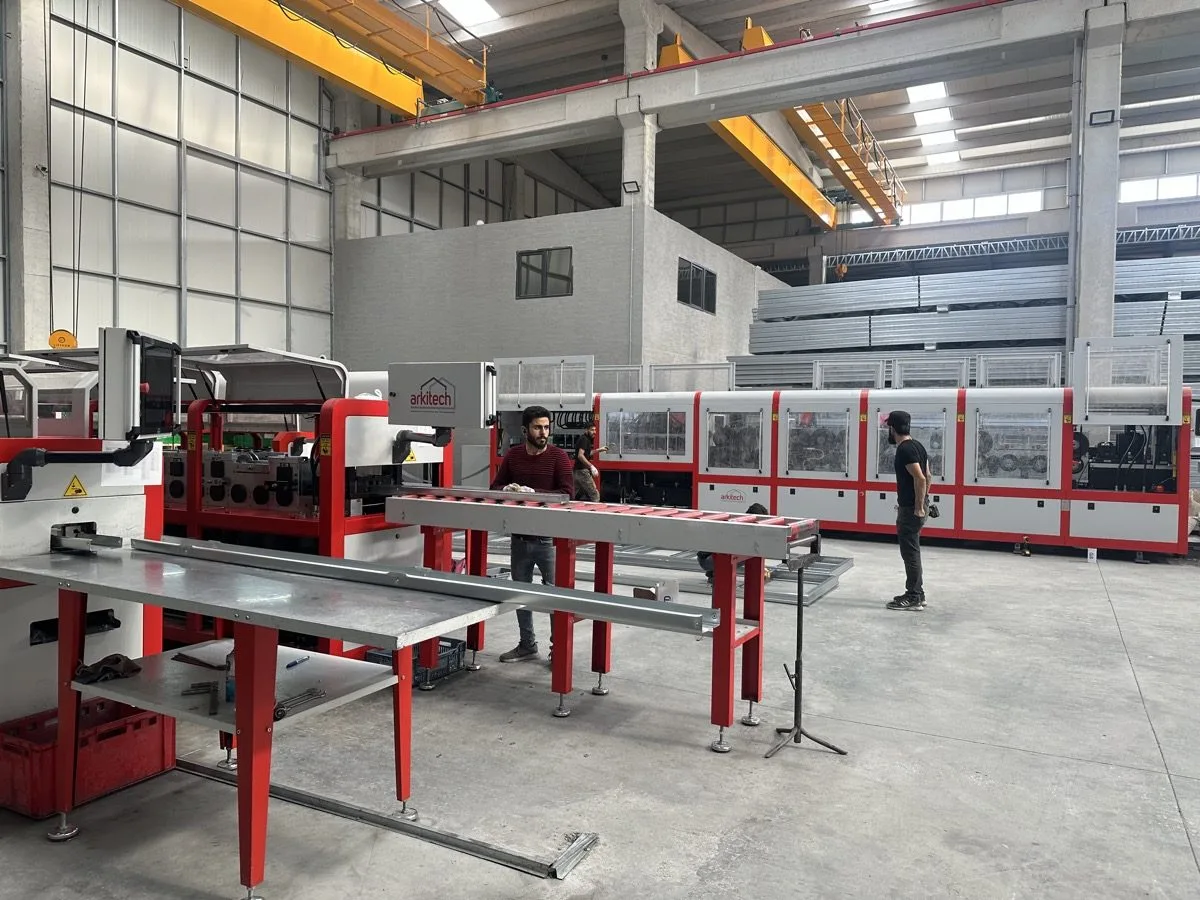
Container companies are businesses that undertake the design, production, transportation, and on-site assembly of portable structures built on steel chassis. The scope of companies differs from one another; while some only handle production, others also undertake needs analysis, structural calculation, insulation, electrical-plumbing installation, and site assembly. Therefore, when selecting a company, it should be clarified from the start which stages the service covers.
When choosing among container companies, criteria such as whether production is carried out at the company's own facility, delivery time, clarity of the technical specification, and post-project support should be evaluated together.
This is a container type used for site management, field office, or administrative unit purposes. Outlet and lighting layout in the work area, along with insulation thickness, are the main factors determining comfort for year-round use.
It is produced for worker accommodation or short-to-medium term lodging purposes. It contains a sleeping area, cabinets, and in some models, a wet area. In mass accommodation projects, a large number of units can be combined to form a container camp layout.
WC and shower containers meet hygiene needs in mass living areas such as construction sites, factories, and camp areas. In this type of container, water-tightness of the floor and walls along with ventilation are the issues that require the most attention.
These are models produced with custom dimensions and equipment according to needs such as post-disaster temporary housing, container city applications, sales offices, storage units, or security booths. Depending on the project requirement, larger usage areas can be achieved by combining multiple containers.
The basic technical data used in container production vary according to the project type. When obtaining quotes from companies, requesting the following information in writing makes it easier to compare proposals:
Dimension and equipment preferences are determined according to the project's purpose of use, climate conditions, and site access conditions.
Container structures are used in many sectors such as construction, mining, energy, agriculture, and disaster management. Site offices and worker camps are among the most common usage areas for these products. In post-disaster temporary housing projects, container city applications offer a fast solution; in such projects, it is important that a large number of units can be delivered to the site in a short time and that they can be connected to one another.
Security booth, storage unit, and mobile office needs are also met with container structures.
Aşıcı Grup Prefabrik has been operating in the field of container, prefabricated, light steel, and modular structures since 2003 and carries out its production at its facility in Polatlı. Its product range includes living, office, site, canteen, dormitory, WC-shower, and disaster shelter containers, as well as demountable containers.
When evaluating container companies, important criteria include whether the production capacity matches the project size, whether delivery times are stated in writing, and whether post-assembly support conditions are clear. Seeing previously completed projects also gives an idea of the company's capacity.
Although it varies by company, the service generally covers design, production, transportation, and site assembly. Post-delivery maintenance and support conditions should be separately stated in the contract.
Production time varies according to the container type, dimensions, equipment details, and order quantity. Since the company's workload at that time also affects the duration, the delivery date should be stated in writing in the contract.
While the office container is produced with administrative and work-oriented equipment, the living container contains components such as a sleeping area and wet area intended for accommodation needs.
Depending on the panel and insulation selection, containers can be made suitable for different climate conditions; region-specific insulation preference is determined at the project stage.
In container city projects, first the site plan, infrastructure lines, and ground are prepared; then the units are placed according to the plan and electrical, water, and wastewater connections are made. Units arriving fully completed from the factory shortens the time spent on site.
With dimensions and equipment tailored to your project, we will get back to you within 48 hours.
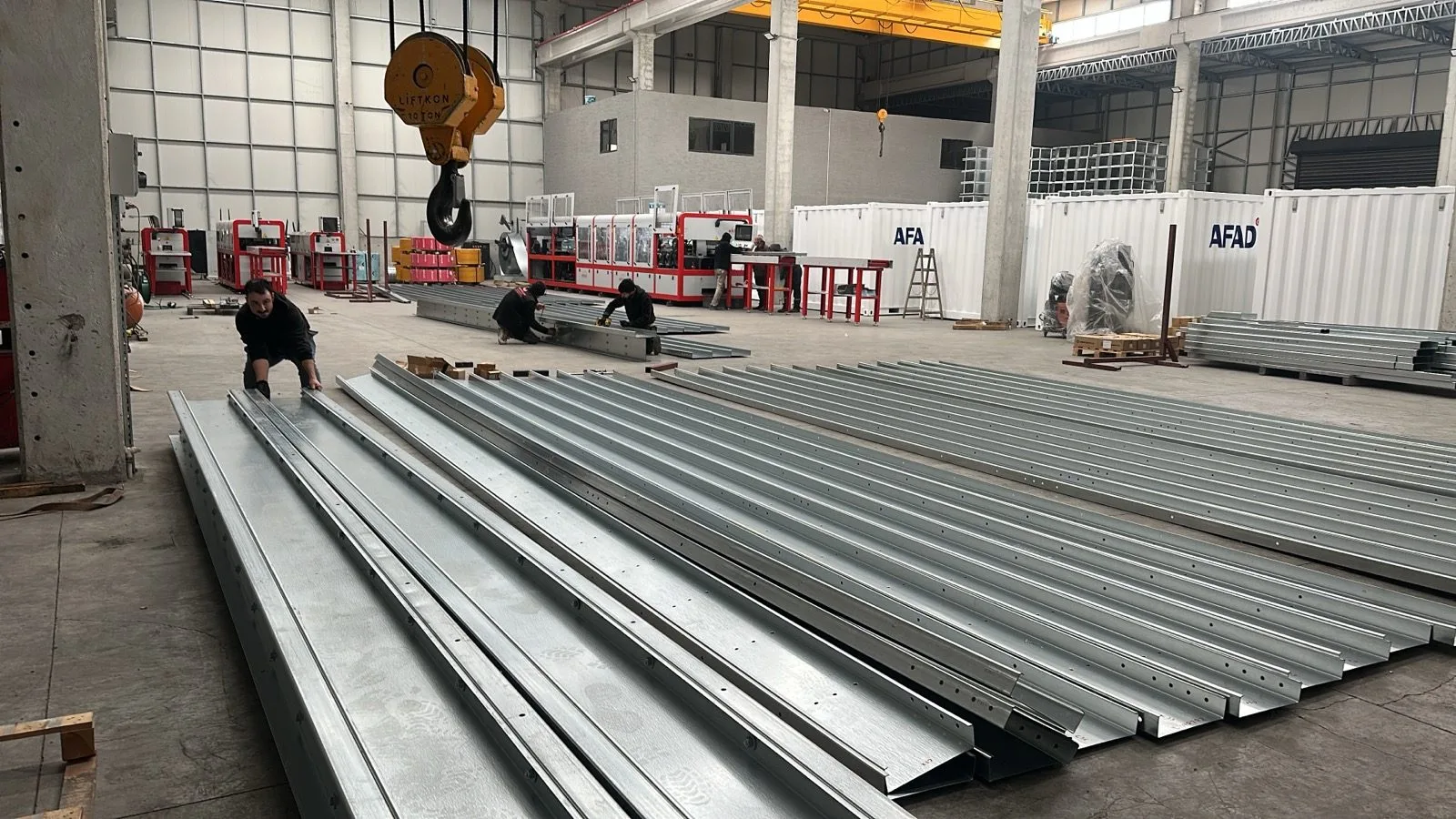
Sandwich panel container types, the difference between PUR and rock wool panels, technical specifications and usage…
22.11.2026 · 3 dk okuma →The load-bearing system, facade, insulation, and installation determine 100 square meter steel house prices. Cost…
22.11.2026 · 3 dk okuma →The price per square meter of a prefabricated building is determined by building type, load-bearing system…
22.11.2026 · 3 dk okuma →
Garden house prices are determined by square meters, insulation, installation and assembly conditions. Cost items and…
22.11.2026 · 3 dk okuma →The items that determine 100 square meter prefabricated house prices, plan differences, and choices that reduce cost.…
22.11.2026 · 3 dk okuma →Single-story prefabricated house plans, square meter options, technical specifications, and usage areas. Get…
20.11.2026 · 3 dk okuma →Types, technical specifications and usage areas of turnkey prefabricated buildings. A single-source solution from…
20.11.2026 · 3 dk okuma →Container prices are determined by intended use, panel and insulation, interior equipment, quantity, and shipping.…
20.11.2026 · 3 dk okuma →
Do prefabricated and light steel buildings need a permit? Zoning status, architectural and structural design, building
22.09.2026 · 7 dk okuma →The items that make up the budget of a prefabricated or container building: structural system, panels and insulation,
22.09.2026 · 8 dk okuma →The steps after ordering a prefabricated, container or light steel building: survey, design, production, quality
22.09.2026 · 6 dk okuma →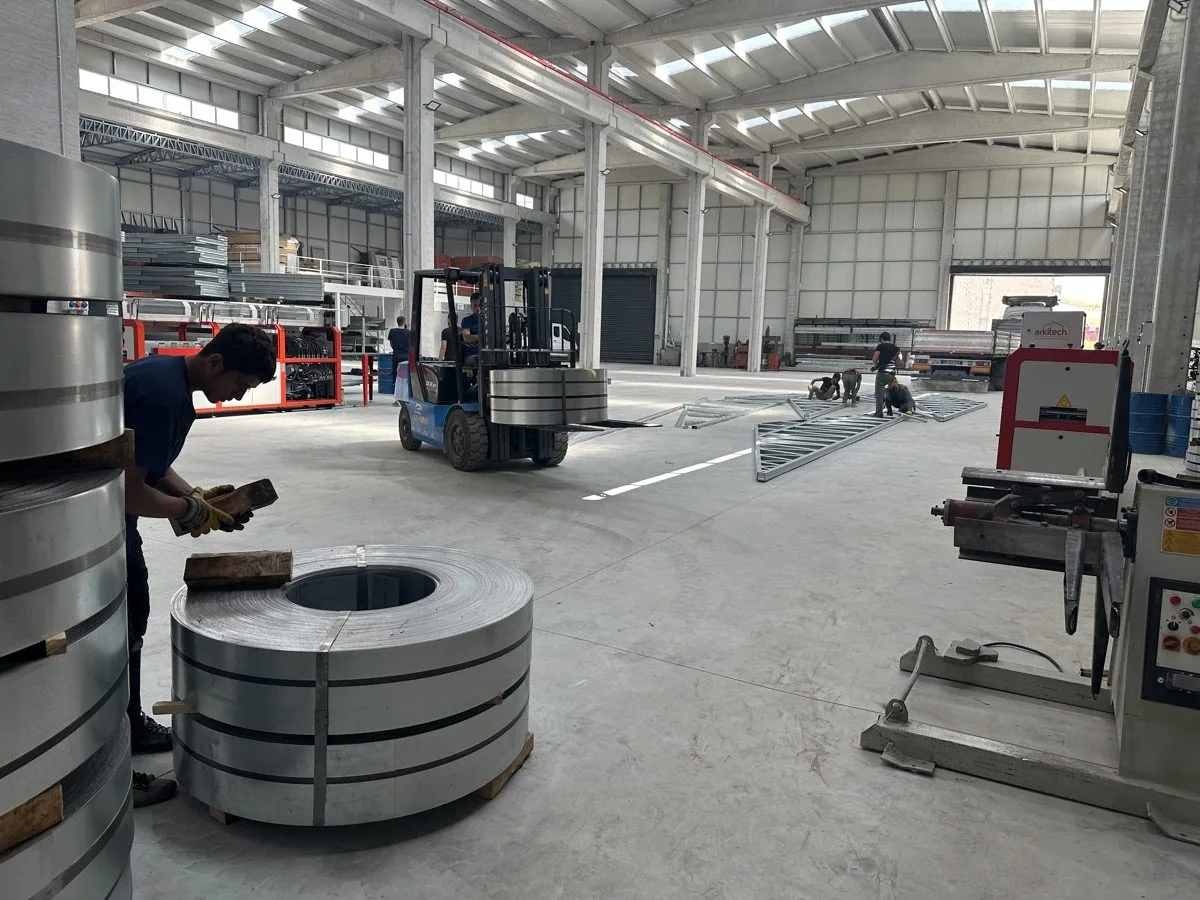
The factors that determine the service life of prefabricated, container and light steel buildings; an annual
22.09.2026 · 6 dk okuma →What makes prefabricated house prices vary? We explain the seven main cost drivers — floor area, insulation, number of…
01.08.2026 · 6 min read →What are the differences between a container and a prefabricated building? We compare the two on portability, cost…
20.07.2026 · 5 min read →Why are light steel buildings considered earthquake-safe? We explain their seismic performance in terms of low weight…
05.07.2026 · 7 min read →Why is steel the key to sustainable building? We look at steel construction through recycling, low waste, energy…
18.06.2026 · 5 min read →