

Container prices are determined by intended use, panel and insulation, interior equipment, quantity, and shipping. Price items and choices that reduce cost.
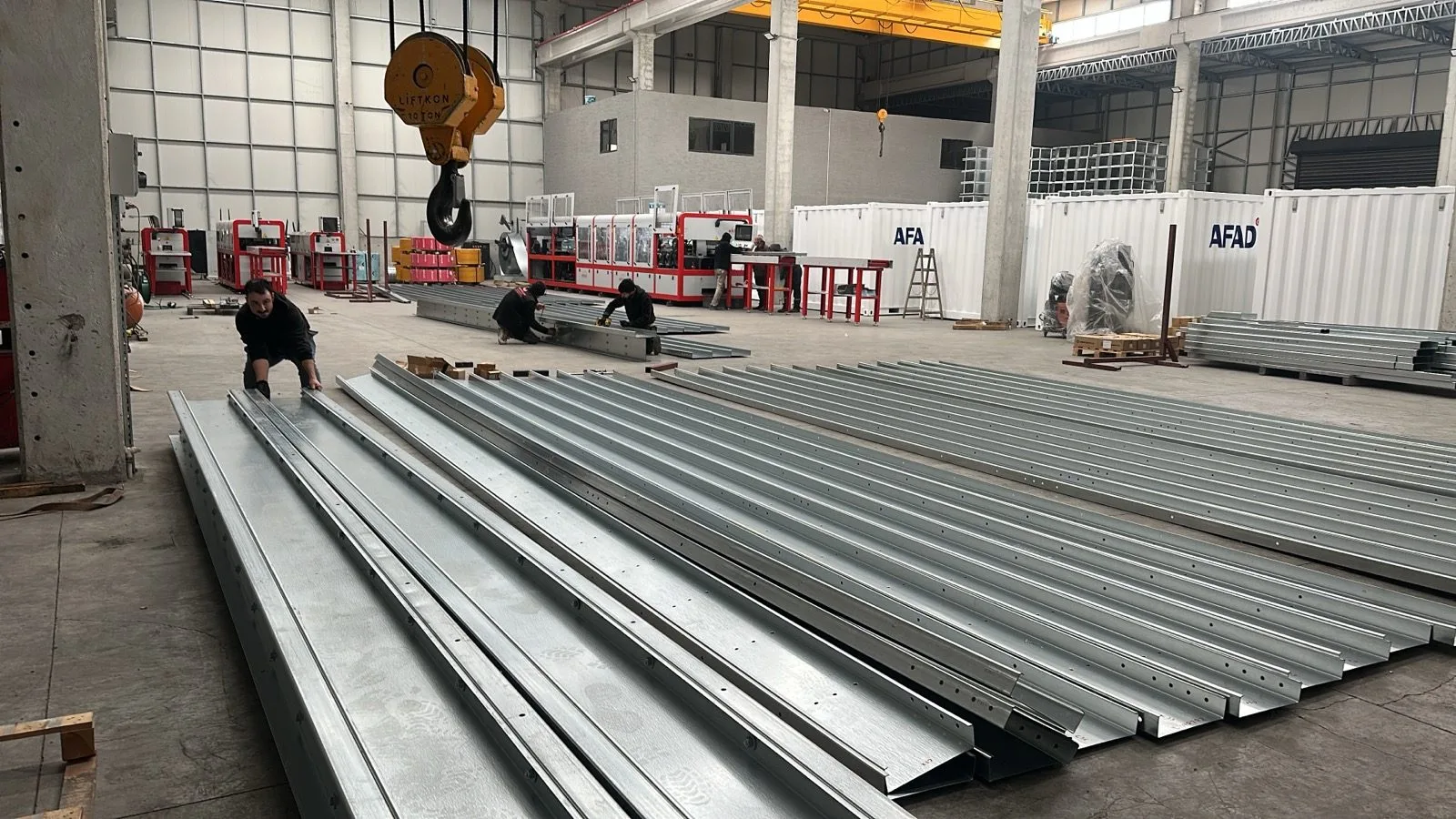
Container prices cannot be expressed with a single figure because each project takes shape with different specifications. Dimensions, the material thickness used, interior and exterior cladding preference, electrical-plumbing equipment, insulation level, and order quantity directly affect the price. The cost difference between a standard office container and a custom-made accommodation container can therefore vary significantly.
The intended use is also taken into account when determining container prices. The interior equipment and material selection differ for containers designed as a site office, security booth, storage unit, or living space. Therefore, the technical specifications of the project need to be clarified for an exact price.
Container types and dimensions are among the main elements that directly shape the price range. The headings below show the general framework; the exact figure emerges once all these items are clarified.
Each of these factors has a different degree of impact on container prices. For example, there is a difference in unit cost between a single container order and a container city project consisting of a large number of containers.
Some basic information needs to be clarified in advance to receive a realistic quote. As this information becomes clear, the price quote becomes more accurate and different quotes can be easily compared.
Pricing is generally faster for standard products; for custom design requests, the technical drawing and approval stage is added to the process. The panel type and thickness, joinery type, and whether shipping is included should be clearly stated in the quote.
Certain choices can be made to optimize cost on container prices without changing the project.
While reducing cost, insulation should not be compromised; in office and living containers used year-round, thin panels increase heating and cooling expenses, offsetting the initial savings in a short time. A needs list clarified in advance allows the quotation process to proceed both faster and more accurately.
Dimensions, material thickness, interior equipment, insulation level, order quantity, and shipping distance are the main factors that determine container prices.
In projects requiring a large number of units, such as a container city, production, shipping, and installation costs are divided among the units, so the unit cost may change. Therefore, it is useful to ask about the unit price separately for bulk requests.
In custom design projects, pricing is done specifically for the project once the technical drawing, material selection, and equipment requests are clarified.
Shipping cost varies depending on the delivery distance. When comparing quotes, it is essential to check whether shipping and crane costs are included in the price.
With dimensions and equipment tailored to your project, we will get back to you within 48 hours.
Sandwich panel container types, the difference between PUR and rock wool panels, technical specifications and usage…
22.11.2026 · 3 dk okuma →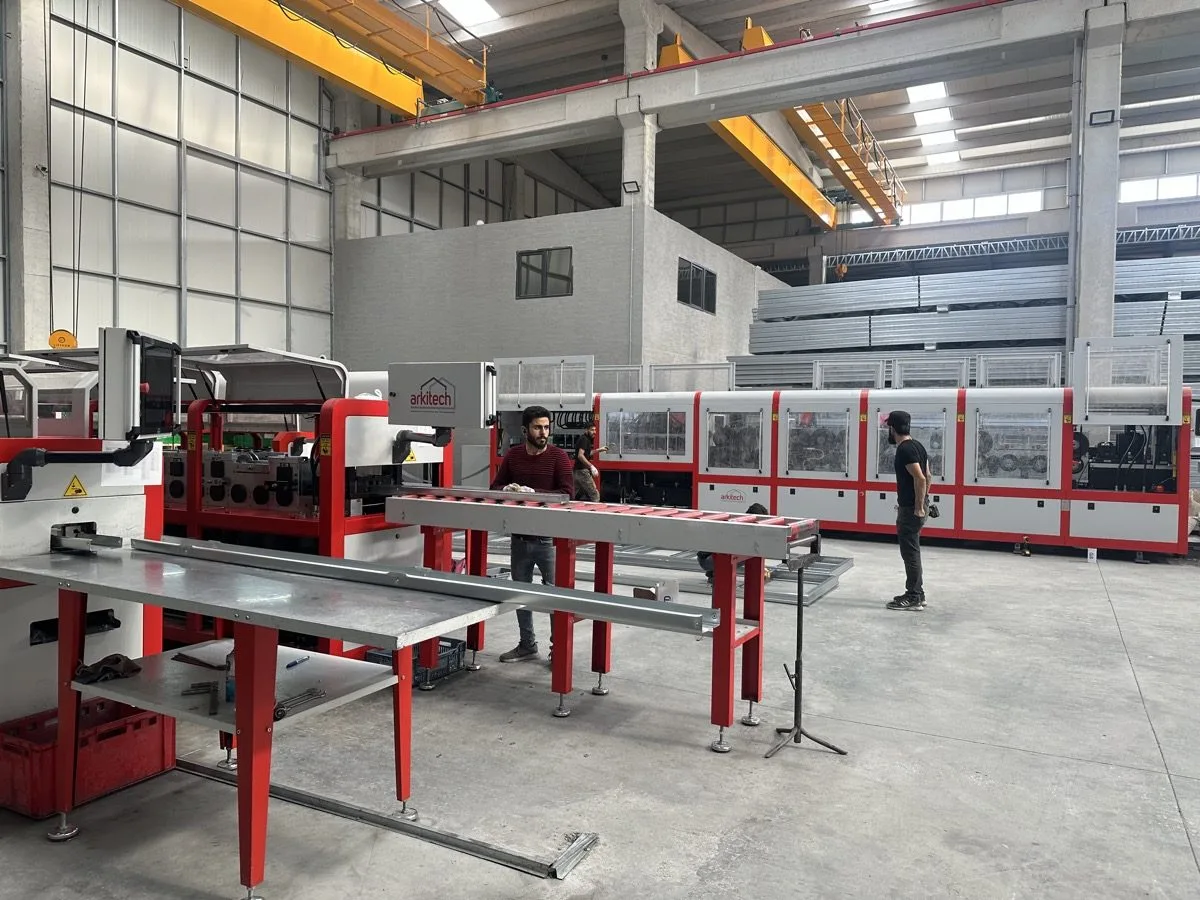
The load-bearing system, facade, insulation, and installation determine 100 square meter steel house prices. Cost…
22.11.2026 · 3 dk okuma →The price per square meter of a prefabricated building is determined by building type, load-bearing system…
22.11.2026 · 3 dk okuma →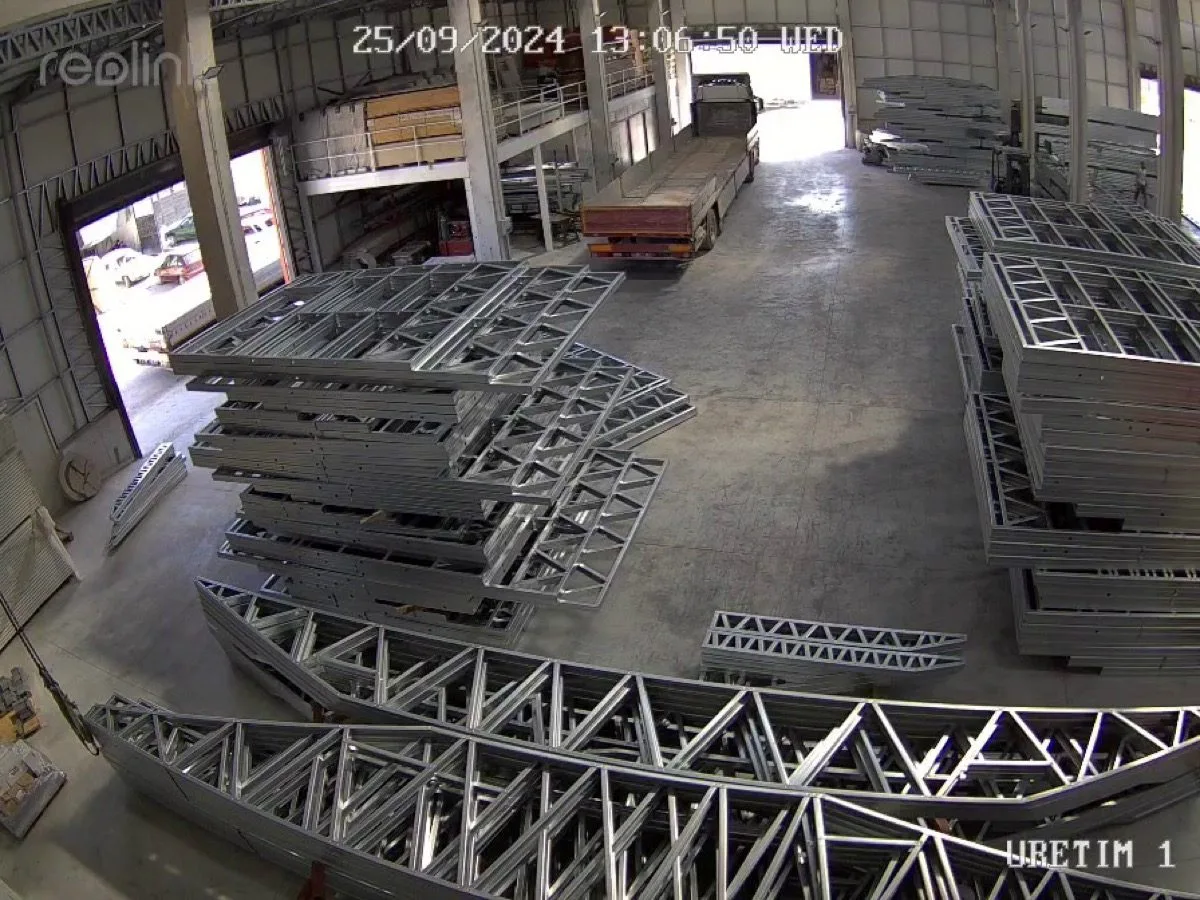
Garden house prices are determined by square meters, insulation, installation and assembly conditions. Cost items and…
22.11.2026 · 3 dk okuma →The items that determine 100 square meter prefabricated house prices, plan differences, and choices that reduce cost.…
22.11.2026 · 3 dk okuma →Single-story prefabricated house plans, square meter options, technical specifications, and usage areas. Get…
20.11.2026 · 3 dk okuma →Types, technical specifications and usage areas of turnkey prefabricated buildings. A single-source solution from…
20.11.2026 · 3 dk okuma →What do container companies do, how are they selected? Container types, points to check in the technical…
20.11.2026 · 3 dk okuma →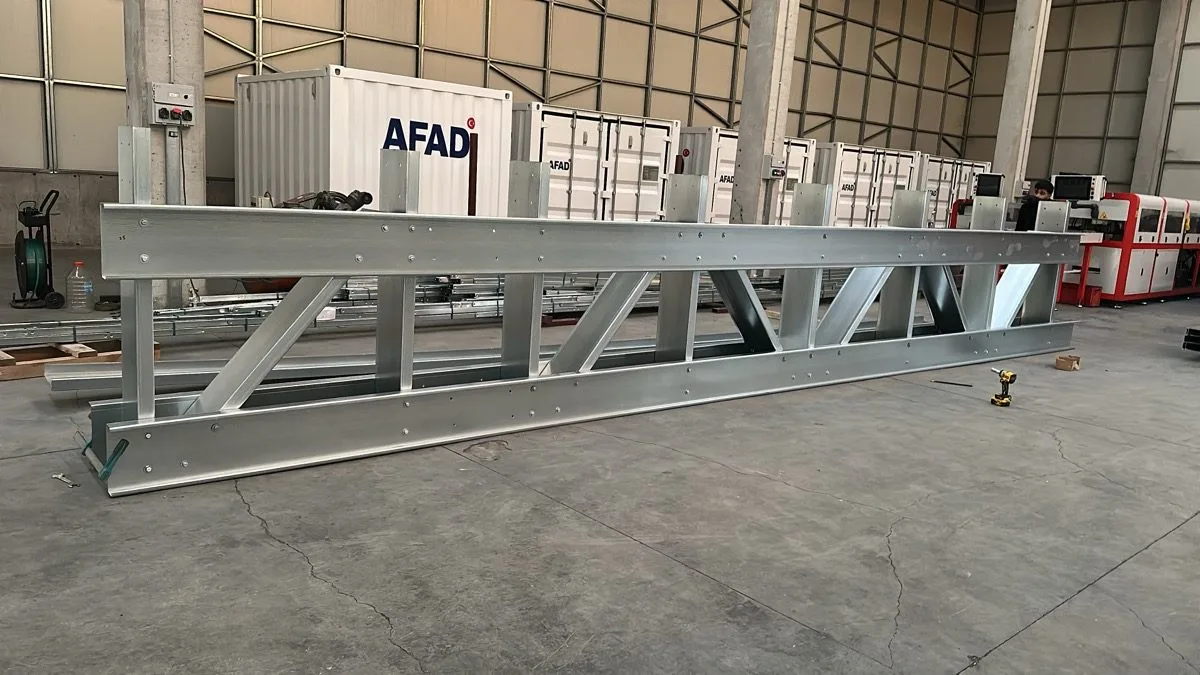
Do prefabricated and light steel buildings need a permit? Zoning status, architectural and structural design, building
22.09.2026 · 7 dk okuma →The items that make up the budget of a prefabricated or container building: structural system, panels and insulation,
22.09.2026 · 8 dk okuma →The steps after ordering a prefabricated, container or light steel building: survey, design, production, quality
22.09.2026 · 6 dk okuma →
The factors that determine the service life of prefabricated, container and light steel buildings; an annual
22.09.2026 · 6 dk okuma →What makes prefabricated house prices vary? We explain the seven main cost drivers — floor area, insulation, number of…
01.08.2026 · 6 min read →What are the differences between a container and a prefabricated building? We compare the two on portability, cost…
20.07.2026 · 5 min read →Why are light steel buildings considered earthquake-safe? We explain their seismic performance in terms of low weight…
05.07.2026 · 7 min read →Why is steel the key to sustainable building? We look at steel construction through recycling, low waste, energy…
18.06.2026 · 5 min read →