

Why are light steel buildings considered earthquake-safe? We explain their seismic performance in terms of low weight, ductility and engineering calculation.
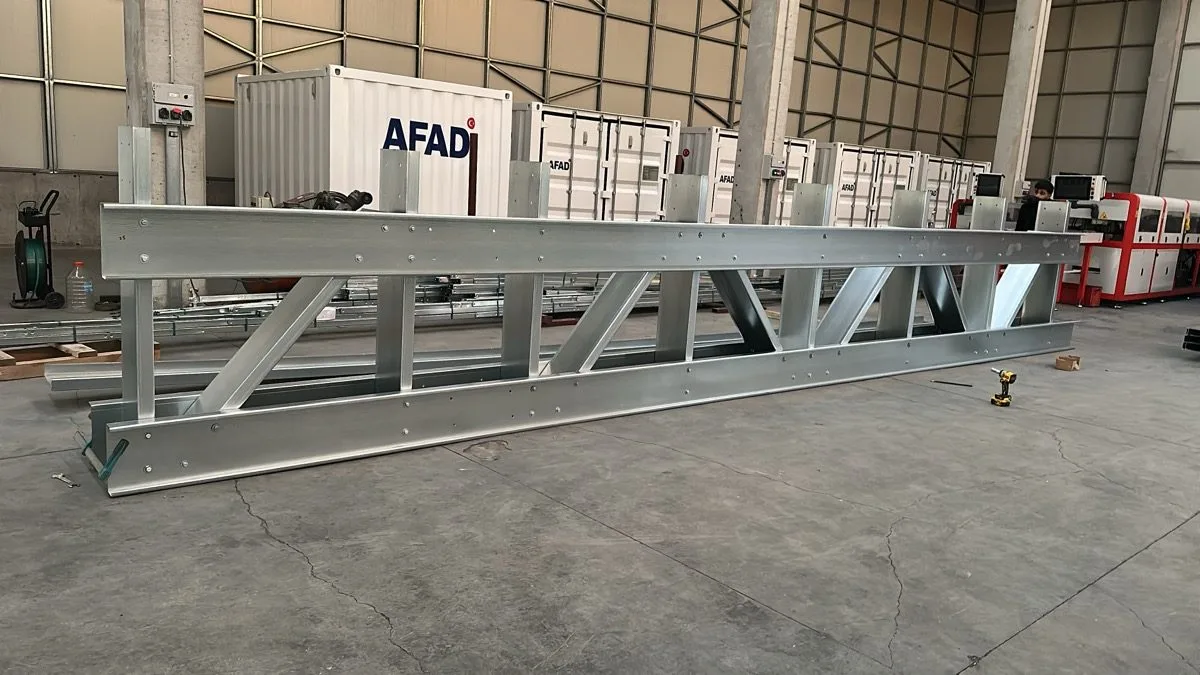
In an earthquake zone, choosing a building type is as much a matter of life safety as of comfort. Light steel (cold-formed steel) buildings stand out among systems with strong seismic performance. Let us look at why.
The force acting on a building during an earthquake is largely a function of its mass. Light steel buildings are far lighter than reinforced concrete, which directly reduces the seismic load the structure has to carry.
Steel is a ductile material; it can absorb seismic energy by deforming rather than breaking . This behaviour lowers the risk of sudden, brittle collapse.
Resilience comes from sound engineering before it comes from material . At Aşıcı Grup every building is designed with static and seismic safety calculations, in line with the current earthquake code and using advanced software.
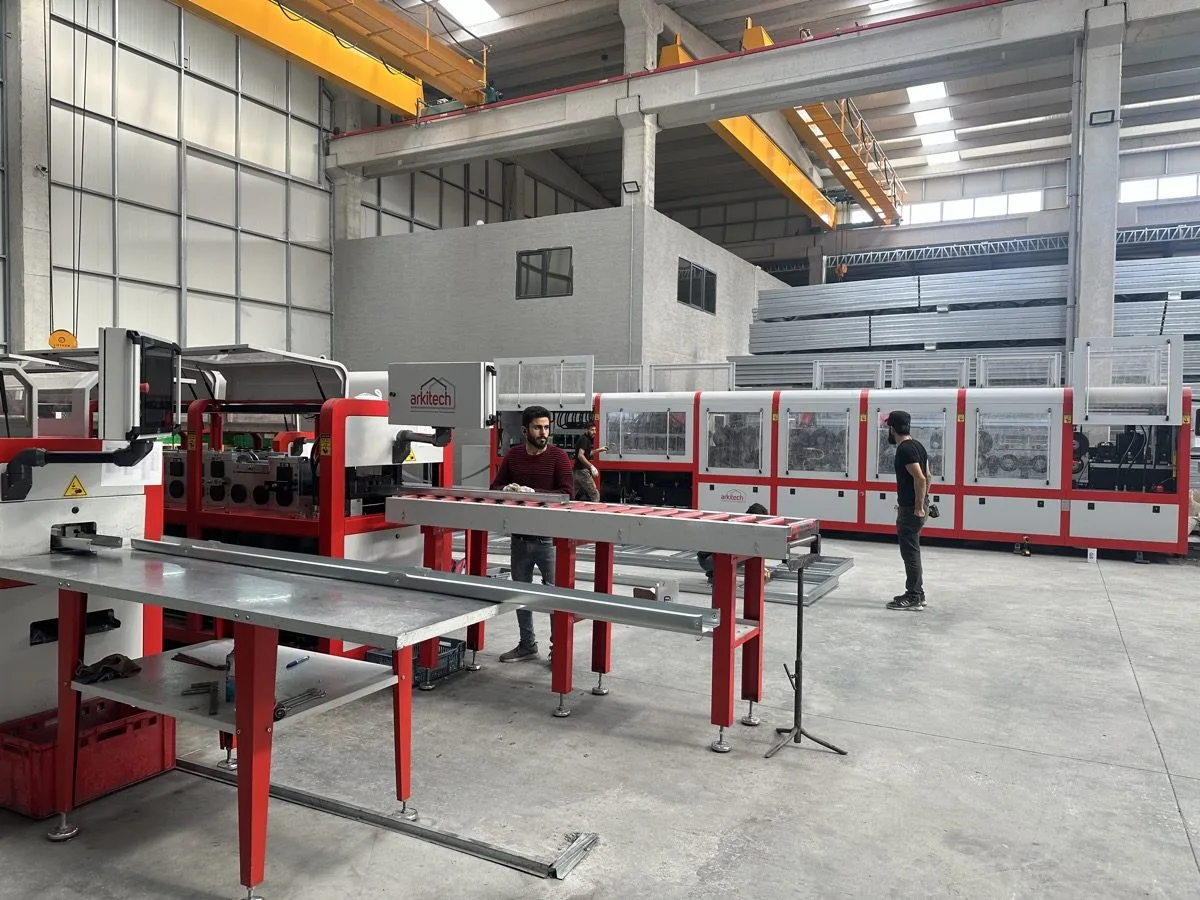
Profiles produced on roll-forming lines have high dimensional accuracy, and connections are prepared in a controlled factory environment. This repeatable quality yields a safer result than work left to site conditions.
In summary: Light steel buildings carry seismic loads safely when their low weight and ductility are combined with sound engineering. What matters is that the building is designed by a competent engineering team and produced with certified material.
With dimensions and equipment tailored to your project, we will get back to you within 48 hours.
What makes prefabricated house prices vary? We explain the seven main cost drivers — floor area, insulation, number of…
01.08.2026 · 6 min read →
What are the differences between a container and a prefabricated building? We compare the two on portability, cost…
20.07.2026 · 5 min read →
Why is steel the key to sustainable building? We look at steel construction through recycling, low waste, energy…
18.06.2026 · 5 min read →