

Rock wool and polyurethane panel in container thermal insulation, thickness selection, thermal bridges, and cost. What to consider when choosing an insulated container.
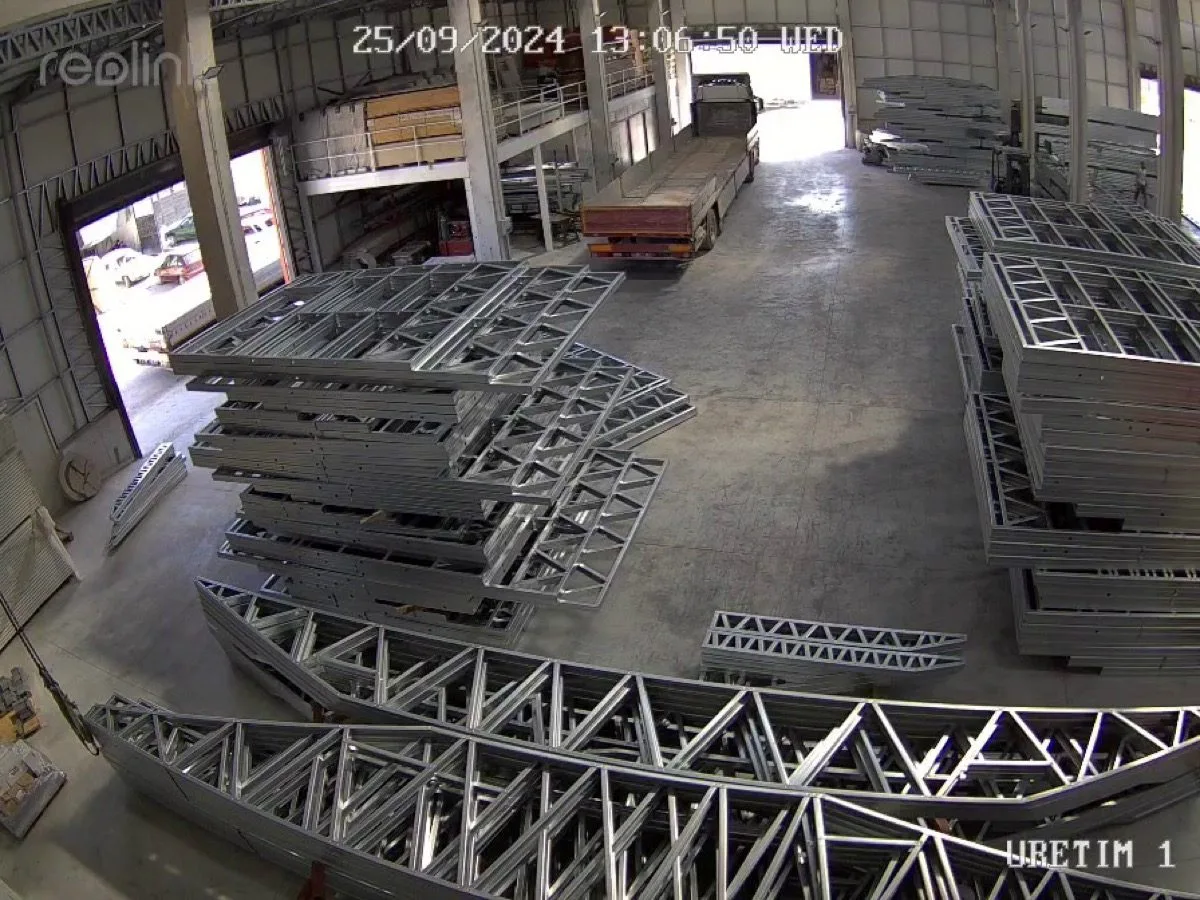
Container thermal insulation is the complete set of materials and methods applied to reduce heat transfer between the interior and exterior surfaces of steel container structures. Since steel is by nature a material that conducts heat quickly, an uninsulated container overheats in summer and cools down rapidly in winter. In structures produced without insulation applied, energy consumption increases and indoor comfort decreases. In this article, we cover how container thermal insulation works, its types, advantages, and selection criteria.
Container thermal insulation is achieved with insulation materials placed between the container's steel body and the interior space. The purpose is to limit the transfer of outdoor temperature changes into the interior. Insulation thickness, material type, and application method vary according to the intended use of the container.
The insulation need differs in containers used for residential, office, construction site office, or storage purposes. For example, in a container to be used as a living space, the insulation thickness and material quality are kept at higher standards compared to a structure intended for short-term storage.
The insulation material is placed between the steel chassis and the interior surface and is usually supported by a vapor barrier membrane. The application order can be summarized as follows:
Performing these steps in the correct order and with attention to material compatibility determines the long-term performance of the insulation. Faulty applications can result in moisture buildup, mold growth, or the insulation material losing its function over time.
The main materials used in container thermal insulation are as follows:
Each material has a different insulation coefficient (lambda value), moisture resistance, and fire performance. The selection is made according to the container's location of use, climate conditions, and budget.
The main benefits of properly applied container thermal insulation are:
Limitations should not be overlooked either. As insulation thickness increases, the interior usable area decreases somewhat. In addition, incorrect material selection or faulty installation may fail to deliver the expected performance. Applying insulation material without a vapor barrier can lead to moisture buildup over time.
The following criteria should be evaluated when choosing container thermal insulation:
When all these criteria are evaluated together, it becomes clear that the cheapest material is not always the most economical option in the long run.
On Aşıcı Grup's container structures page, the answer given to the question of whether a container will be cold in winter and hot in summer is: it won't, when the insulation thickness is chosen correctly. What matters is the panel insulation thickness, the type of joinery, and whether thermal bridges have been addressed; thicker panels and double glazing are standard practice in cold regions.
In knockdown (demountable) systems, since the panels are joined on-site, the insulation of the joint points carries additional importance. Information about this system is available on the demountable container page, and all product groups are listed on the products page.
Not applying insulation in containers used for residential or office purposes seriously and negatively affects indoor comfort and energy efficiency.
Rock wool and polyurethane panels maintain their performance for many years when applied correctly and supported with moisture protection; the lifespan of the material largely depends on installation quality.
Depending on the insulation thickness, a reduction of a few centimeters in interior dimensions may occur. In sandwich panel containers, since the insulation is inside the panel, an additional interior cladding layer is not required.
Yes, insulation can be applied to existing containers afterward, but since it requires removing and reinstalling the interior cladding, it may require more labor compared to applying insulation during new production.
Materials with a dense structure, such as rock wool, contribute to a certain degree of sound insulation in addition to thermal insulation, but separate measures may be needed for complete sound insulation.
The cost increase varies depending on the selected material type, thickness, and container size. The additional cost of a thicker panel is offset over time by the reduction in heating expenses, especially in living and office containers used year-round.
With dimensions and equipment tailored to your project, we will get back to you within 48 hours.
Ground-mounted and rooftop types, galvanized profile, weld-free bolted connection, and structural calculation inputs…
28.11.2026 · 4 dk okuma →The price of a light steel profile is determined by the section, wall thickness, galvanized class and quantity. The…
28.11.2026 · 4 dk okuma →
How is a construction site camp planned? The layout of dormitory, canteen, WC-shower, and office units, container and…
28.11.2026 · 4 dk okuma →Criteria to consider when choosing a prefabricated building company in Ankara: production location, building types…
27.11.2026 · 4 dk okuma →C profile price varies with section, wall thickness, weight per meter, galvanizing grade and quantity. Quote…
27.11.2026 · 4 dk okuma →Modular home prices vary depending on the number of modules, floor area, insulation, wet areas, and transport…
27.11.2026 · 4 dk okuma →Panel and fill types, thermal bridge issues, thickness selection, and cost in steel house thermal insulation. How is…
23.11.2026 · 4 dk okuma →Panel types, thickness selection, thermal bridges, and cost factors in prefabricated house thermal insulation. Points…
23.11.2026 · 4 dk okuma →
The answer to whether a permit is required for a container house depends on the land's qualification, intended use…
23.11.2026 · 4 dk okuma →Two-storey container types, static and technical details, areas of use and frequently asked questions. Get…
23.11.2026 · 3 dk okuma →Sandwich panel container types, the difference between PUR and rock wool panels, technical specifications and usage…
22.11.2026 · 3 dk okuma →The load-bearing system, facade, insulation, and installation determine 100 square meter steel house prices. Cost…
22.11.2026 · 3 dk okuma →The price per square meter of a prefabricated building is determined by building type, load-bearing system…
22.11.2026 · 3 dk okuma →Garden house prices are determined by square meters, insulation, installation and assembly conditions. Cost items and…
22.11.2026 · 3 dk okuma →The items that determine 100 square meter prefabricated house prices, plan differences, and choices that reduce cost.…
22.11.2026 · 3 dk okuma →Single-story prefabricated house plans, square meter options, technical specifications, and usage areas. Get…
20.11.2026 · 3 dk okuma →Types, technical specifications and usage areas of turnkey prefabricated buildings. A single-source solution from…
20.11.2026 · 3 dk okuma →What do container companies do, how are they selected? Container types, points to check in the technical…
20.11.2026 · 3 dk okuma →Container prices are determined by intended use, panel and insulation, interior equipment, quantity, and shipping.…
20.11.2026 · 3 dk okuma →
Do prefabricated and light steel buildings need a permit? Zoning status, architectural and structural design, building
22.09.2026 · 7 dk okuma →The items that make up the budget of a prefabricated or container building: structural system, panels and insulation,
22.09.2026 · 8 dk okuma →The steps after ordering a prefabricated, container or light steel building: survey, design, production, quality
22.09.2026 · 6 dk okuma →
The factors that determine the service life of prefabricated, container and light steel buildings; an annual
22.09.2026 · 6 dk okuma →What makes prefabricated house prices vary? We explain the seven main cost drivers — floor area, insulation, number of…
01.08.2026 · 6 min read →What are the differences between a container and a prefabricated building? We compare the two on portability, cost…
20.07.2026 · 5 min read →Why are light steel buildings considered earthquake-safe? We explain their seismic performance in terms of low weight…
05.07.2026 · 7 min read →Why is steel the key to sustainable building? We look at steel construction through recycling, low waste, energy…
18.06.2026 · 5 min read →