

The price of a light steel profile is determined by the section, wall thickness, galvanized class and quantity. The weight-based calculation method, quote comparison and the information to be requested
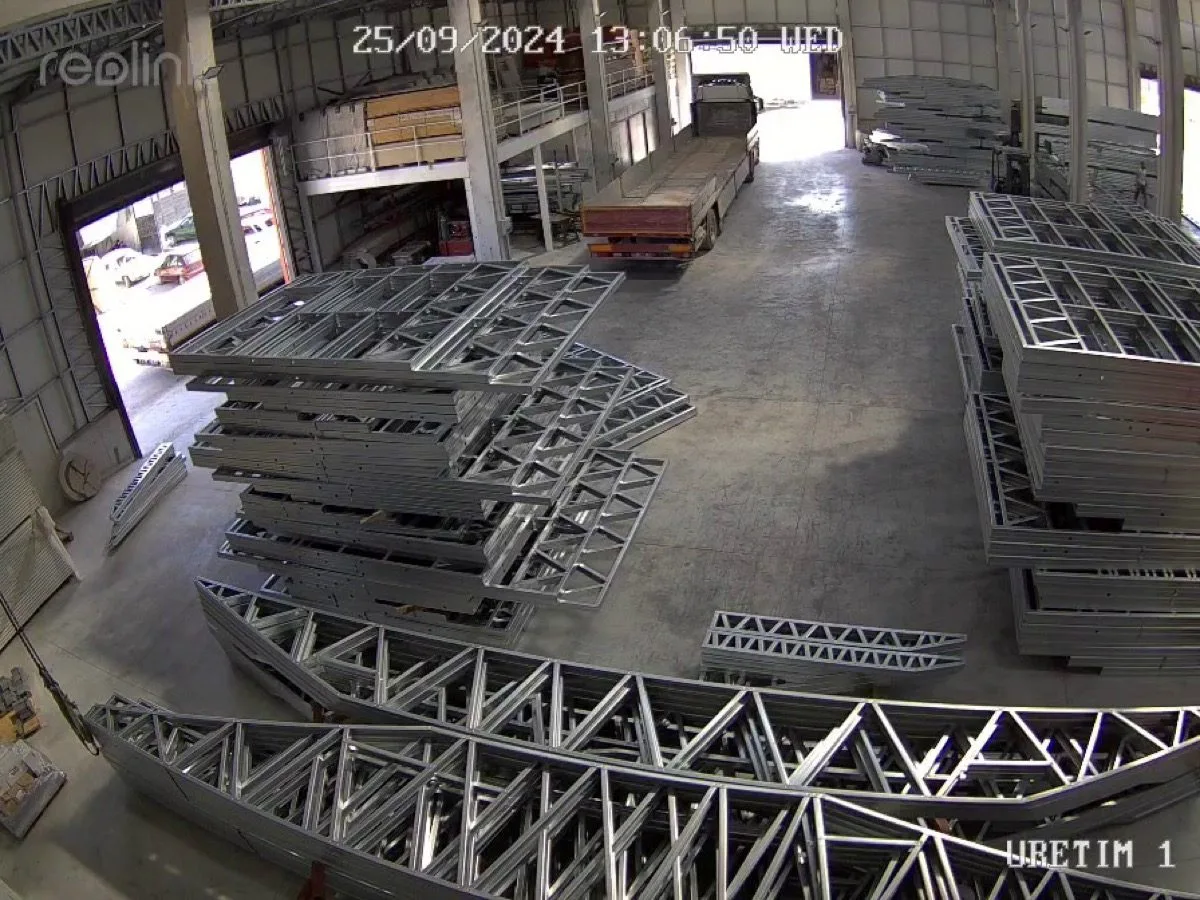
It would not be right to give a fixed figure for the price of light steel profiles. Because the price of steel raw material changes from time to time, a price obtained today may no longer be valid a few weeks later. This page does not offer a current price list; it explains the items that make up the price and how to compare quotes with one another. For a current figure, you need to request a quote with project information.
A light steel profile is a load-bearing member produced from cold-formed galvanized sheet. It forms the frame in light steel structures, the studs in partition walls, and the support structure in roofs. Aşıcı Grup's steel profile product group includes C profiles, U profiles, J profiles and solar power plant (GES) mounting profiles.
Most of the cost of a steel profile comes from the sheet steel. For this reason, price is usually quoted per meter or per kilogram and moves together with the profile's weight. When the wall thickness increases for the same section, the weight per meter also increases, and the price therefore rises. The same effect is seen when the section height grows.
That is why looking only at the unit price when comparing two quotes can be misleading. One may have a low price per meter because the profile is thin, while another may have a high price per meter because it uses thicker sheet for the same section. The right way to compare is to convert the price to a per-kilogram basis for the same section and the same wall thickness.
Besides weight, the following items affect the price:
The catalog dimensions are prepared for the most common use. Different sections and wall thicknesses can be produced according to the project's structural design; for the requested dimension, you need to consult the technical office.
While waiting for a quote, you can work out a rough budget.
1. Find the weight per meter for the section you will use from the product table.
2. Calculate the total meters by multiplying the profile length by the quantity.
3. Multiply the total meters by the weight per meter to find the total kilograms.
4. Add an allowance for cutting and end waste.
5. Compare the resulting kilograms with the per-kilogram prices in the quotes.
This calculation is not a substitute for a quote, but it lets you tell whether the figure you receive is reasonable.
The coating is one of the first items that comes to mind for reducing cost, but it is also the item that should be economized on the least in a load-bearing system. Durability depends on the galvanized coating class and the environment of use. In an enclosed, dry environment the service life is long; in seaside locations, chemical plants and continuously humid environments, a higher coating class should be selected. Aşıcı Grup profiles are produced by cold forming high-strength galvanized sheet on CNC roll-forming lines; their corrosion resistance is covered by BS EN 10346. Effective section calculations are made according to the TS EN 1993-1-3, Eurocode 3 and AISI S100-2007 specifications.
Decisions that govern the project as a whole determine the cost as much as the unit price does:
For a realistic quote, prepare the following information:
When the information is incomplete, the figure given remains an estimate. When comparing quotes, check whether the price is given per meter or per kilogram, the galvanized class, and whether transport is included. When you send your information to Aşıcı Grup, the team replies within 48 hours.
Most of the price is made up of sheet steel, and the sheet price fluctuates. For this reason, getting a current quote on a per-project basis gives a more accurate result.
Both are used. When making a comparison, converting all quotes to a per-kilogram basis for the same section and wall thickness is the most reliable way.
For the same section, as the wall thickness increases, the weight per meter and the price increase. The thickness should be selected according to the structural calculation, not by guesswork.
The catalog dimensions are for the most common use. If the project's structural design requires it, different sections and wall thicknesses can be produced; for this, you should consult the technical office.
As the quantity increases, cutting, loading and transport costs are spread over more products, so the unit cost generally drops. The rate varies by section and quantity.
With dimensions and equipment tailored to your project, we will get back to you within 48 hours.
Ground-mounted and rooftop types, galvanized profile, weld-free bolted connection, and structural calculation inputs…
28.11.2026 · 4 dk okuma →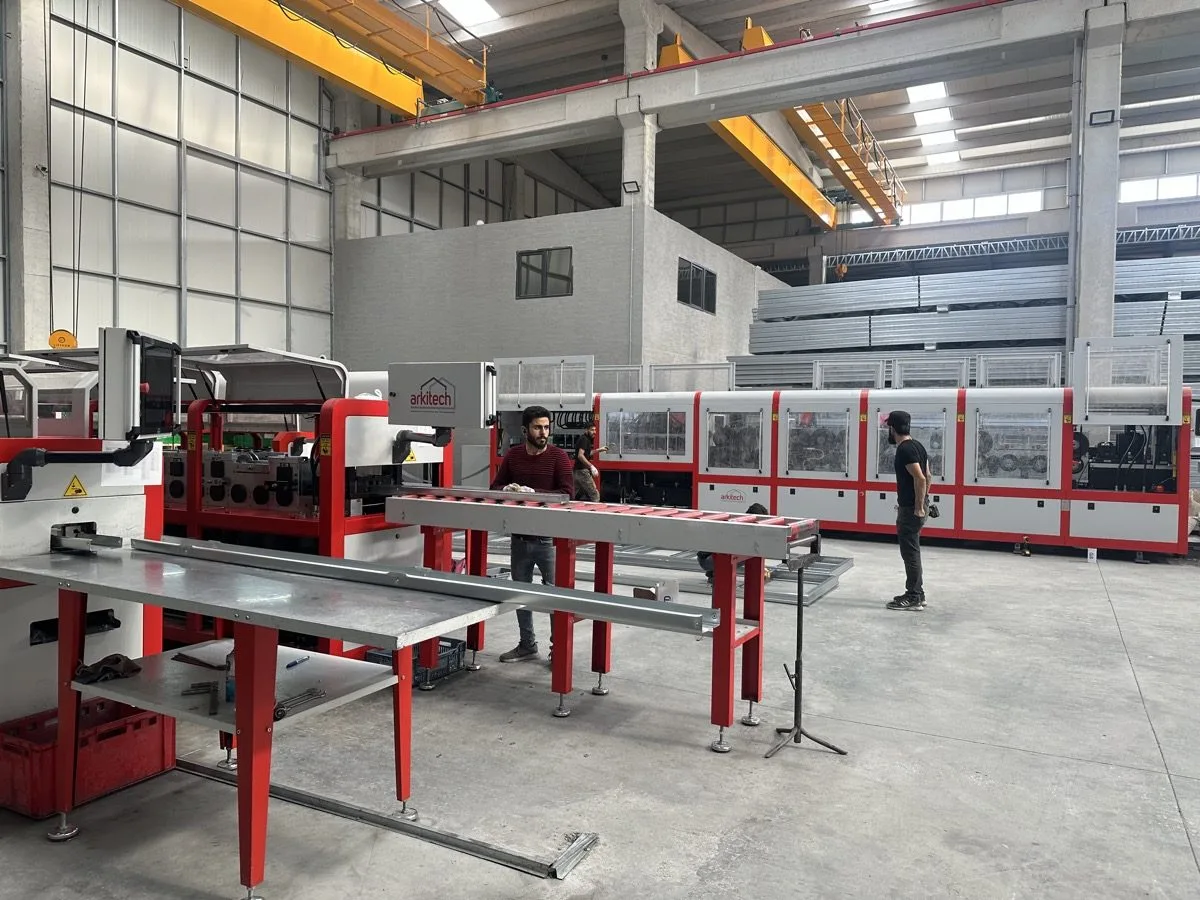
How is a construction site camp planned? The layout of dormitory, canteen, WC-shower, and office units, container and…
28.11.2026 · 4 dk okuma →Criteria to consider when choosing a prefabricated building company in Ankara: production location, building types…
27.11.2026 · 4 dk okuma →C profile price varies with section, wall thickness, weight per meter, galvanizing grade and quantity. Quote…
27.11.2026 · 4 dk okuma →Modular home prices vary depending on the number of modules, floor area, insulation, wet areas, and transport…
27.11.2026 · 4 dk okuma →Rock wool and polyurethane panel in container thermal insulation, thickness selection, thermal bridges, and cost.…
23.11.2026 · 4 dk okuma →Panel and fill types, thermal bridge issues, thickness selection, and cost in steel house thermal insulation. How is…
23.11.2026 · 4 dk okuma →Panel types, thickness selection, thermal bridges, and cost factors in prefabricated house thermal insulation. Points…
23.11.2026 · 4 dk okuma →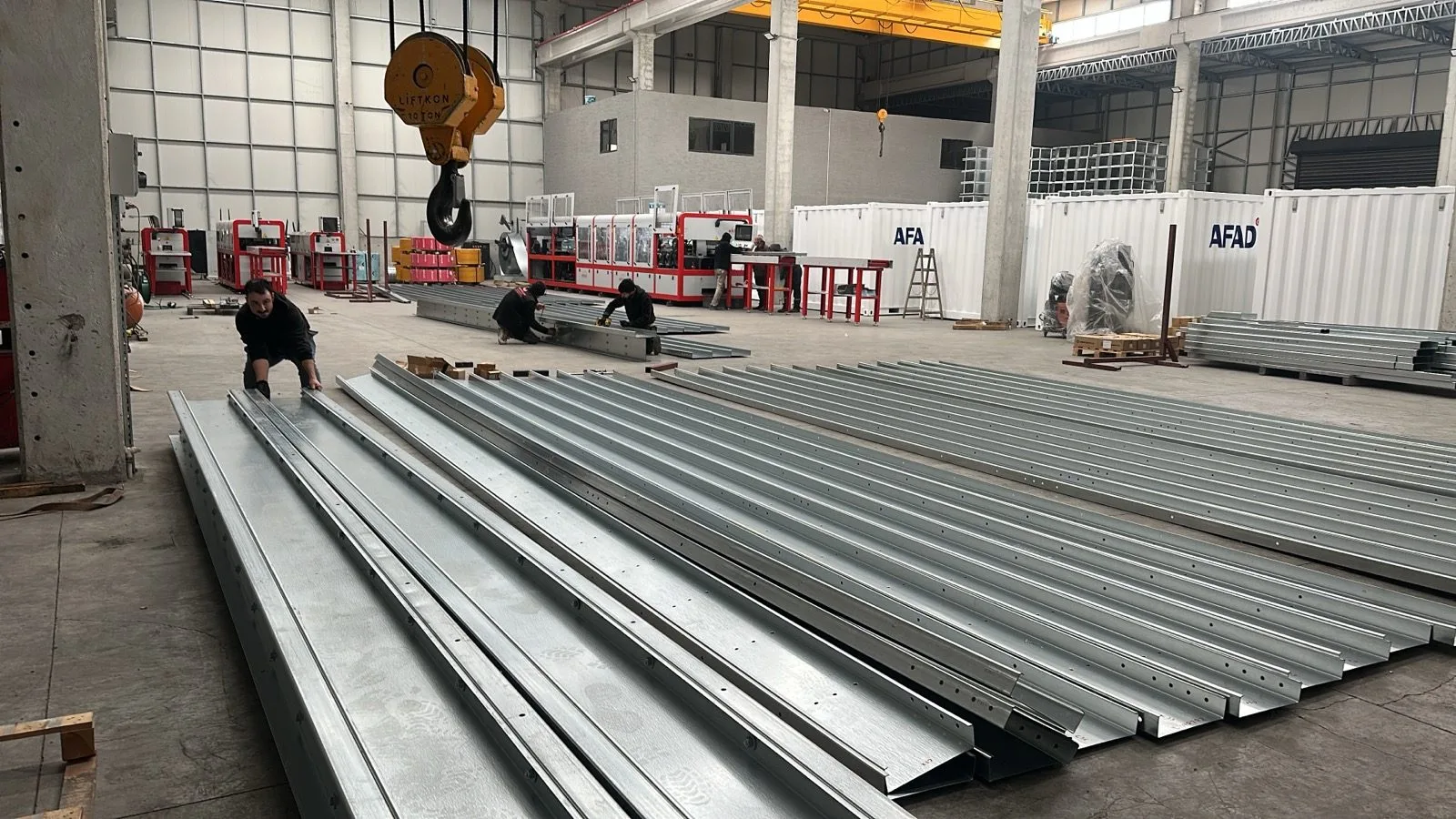
The answer to whether a permit is required for a container house depends on the land's qualification, intended use…
23.11.2026 · 4 dk okuma →Two-storey container types, static and technical details, areas of use and frequently asked questions. Get…
23.11.2026 · 3 dk okuma →Sandwich panel container types, the difference between PUR and rock wool panels, technical specifications and usage…
22.11.2026 · 3 dk okuma →The load-bearing system, facade, insulation, and installation determine 100 square meter steel house prices. Cost…
22.11.2026 · 3 dk okuma →The price per square meter of a prefabricated building is determined by building type, load-bearing system…
22.11.2026 · 3 dk okuma →Garden house prices are determined by square meters, insulation, installation and assembly conditions. Cost items and…
22.11.2026 · 3 dk okuma →The items that determine 100 square meter prefabricated house prices, plan differences, and choices that reduce cost.…
22.11.2026 · 3 dk okuma →Single-story prefabricated house plans, square meter options, technical specifications, and usage areas. Get…
20.11.2026 · 3 dk okuma →Types, technical specifications and usage areas of turnkey prefabricated buildings. A single-source solution from…
20.11.2026 · 3 dk okuma →What do container companies do, how are they selected? Container types, points to check in the technical…
20.11.2026 · 3 dk okuma →Container prices are determined by intended use, panel and insulation, interior equipment, quantity, and shipping.…
20.11.2026 · 3 dk okuma →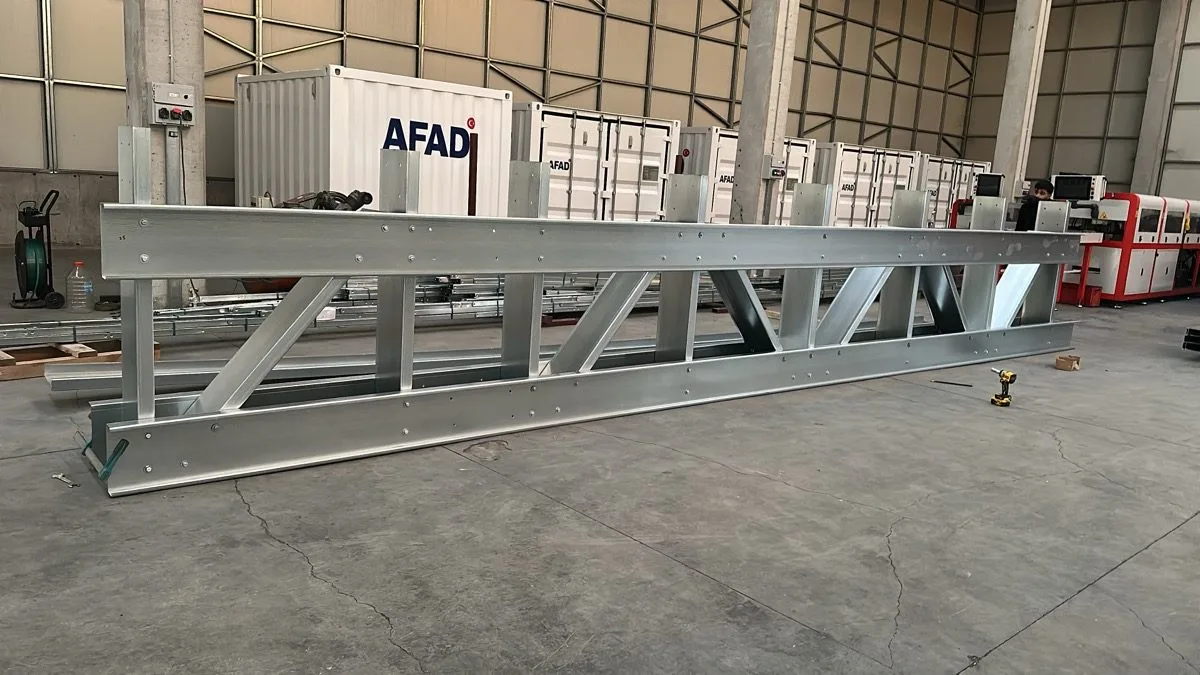
Do prefabricated and light steel buildings need a permit? Zoning status, architectural and structural design, building
22.09.2026 · 7 dk okuma →The items that make up the budget of a prefabricated or container building: structural system, panels and insulation,
22.09.2026 · 8 dk okuma →The steps after ordering a prefabricated, container or light steel building: survey, design, production, quality
22.09.2026 · 6 dk okuma →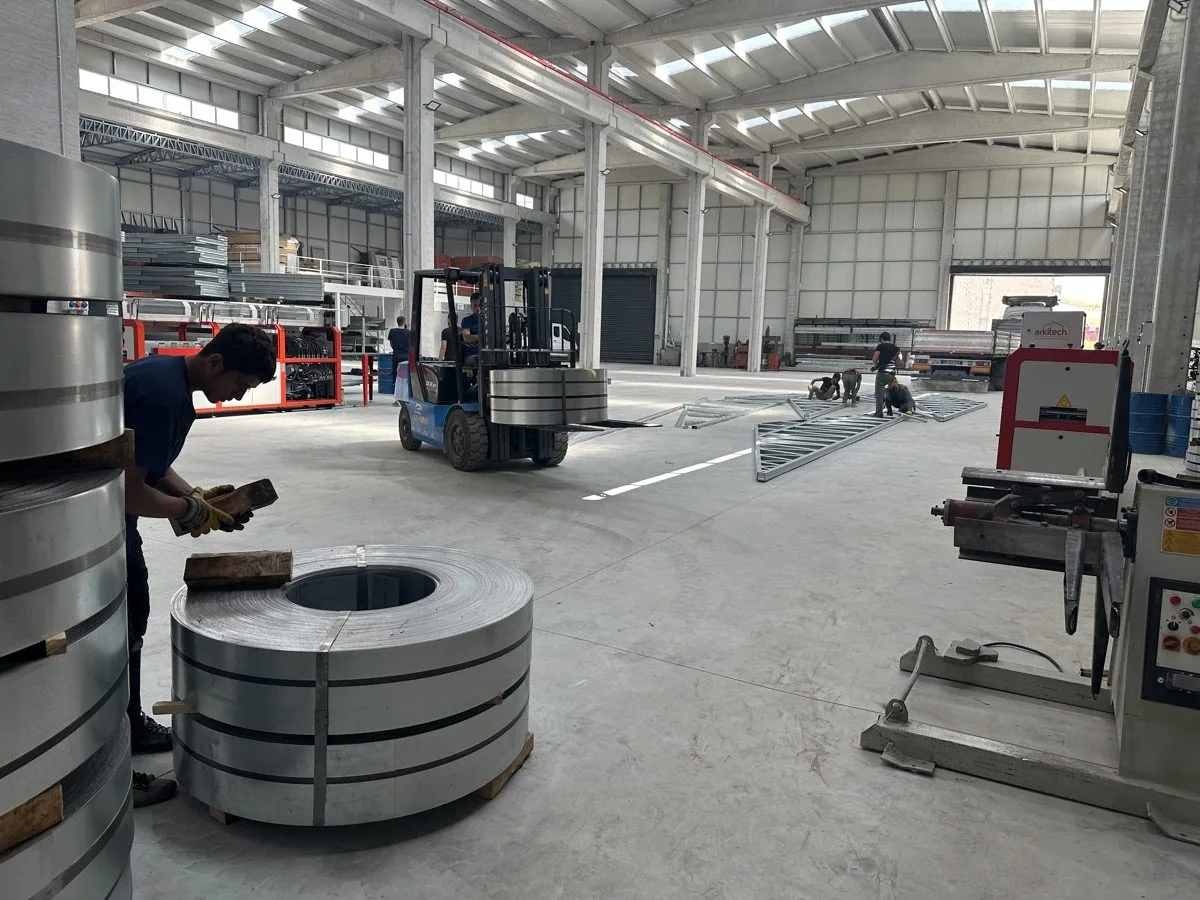
The factors that determine the service life of prefabricated, container and light steel buildings; an annual
22.09.2026 · 6 dk okuma →What makes prefabricated house prices vary? We explain the seven main cost drivers — floor area, insulation, number of…
01.08.2026 · 6 min read →What are the differences between a container and a prefabricated building? We compare the two on portability, cost…
20.07.2026 · 5 min read →Why are light steel buildings considered earthquake-safe? We explain their seismic performance in terms of low weight…
05.07.2026 · 7 min read →Why is steel the key to sustainable building? We look at steel construction through recycling, low waste, energy…
18.06.2026 · 5 min read →